
Tampa Bay Flood Zones Explained: What Home Buyers and Homeowners Need to Know
If you are buying a home in Tampa Bay, understanding flood zones is no longer optional. Between coastal exposure, heavy rainfall, hurricane season, and changing insurance costs, flood risk directly affects affordability, financing, resale value, and long-term ownership costs across Hillsborough, Pinellas, Pasco, and surrounding counties.
One of the biggest misconceptions in Florida real estate is that flood zones only matter for waterfront homes. In reality, every property in Tampa Bay sits in a flood zone. The difference is the level of risk and how that risk affects insurance requirements, building regulations, and property ownership.
This guide breaks down the most common FEMA flood zones, how they affect homes in the Tampa Bay area, and what buyers should evaluate before purchasing property.
What Is a Flood Zone?
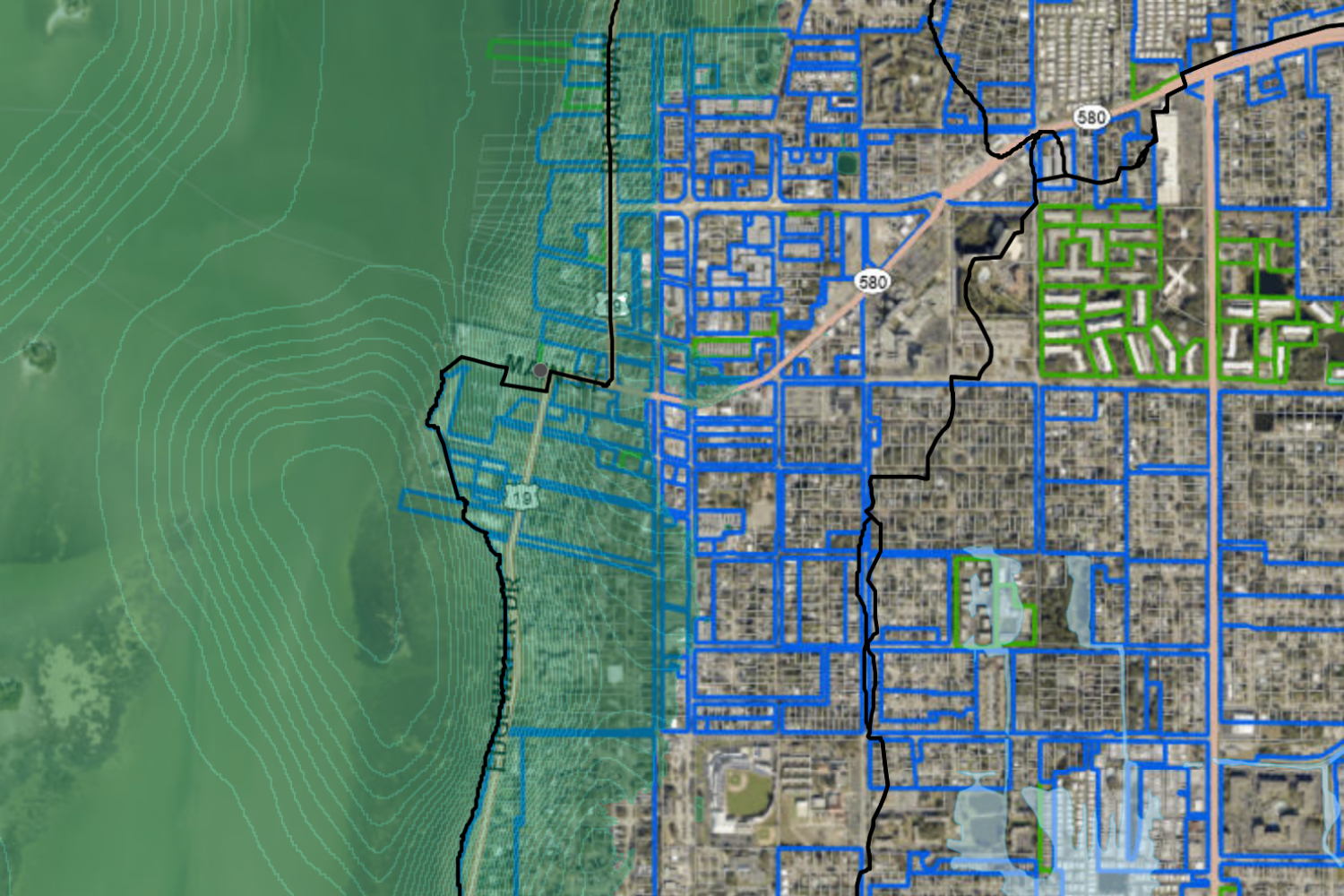
Flood zones are geographic areas defined by the Federal Emergency Management Agency (FEMA) on Flood Insurance Rate Maps (FIRMs). These maps estimate the likelihood of flooding based on rainfall, storm surge, topography, and historical flood data.
Flood zones are primarily used for:
Determining flood insurance requirements
Setting building and elevation standards
Evaluating lending risk for federally backed mortgages
Guiding local floodplain management regulations
According to Pinellas County, everyone lives in a flood zone, whether that risk is considered low, moderate, or high.
Flood Zones vs. Evacuation Zones
These terms are often confused in Tampa Bay real estate conversations, but they measure different risks.
→ Flood Zones
Flood zones relate to a property's likelihood of flooding from rain events, rising water, tidal flooding, or storm surge over time. These zones affect insurance requirements and construction standards.
→ Evacuation Zones
Evacuation zones are used during hurricanes and are based primarily on storm surge risk and public safety planning.
A property can:
Be in a low-risk flood zone but still require hurricane evacuation
Be outside evacuation zones but still experience flooding from rainfall or nearby waterways
Hillsborough County specifically notes that flood zones and evacuation zones serve completely different purposes.
The Most Common Flood Zones in Tampa Bay
Zone X: Low to Moderate Risk
Zone X is generally considered the lowest flood risk category.
There are two common types:
Unshaded Zone X
Minimal flood risk
Flood insurance is usually not required by lenders
Common in higher elevation inland areas
Shaded Zone X
Moderate flood risk
Represents areas with a 0.2% annual flood chance, sometimes referred to as the “500-year floodplain”
Flood insurance may still be recommended
Many buyers incorrectly assume Zone X means “no flood risk.” That is not true. Flooding can still occur from extreme rainfall, drainage failures, or storm events.
This became especially relevant after major rain and hurricane events in the Tampa Bay region where some homes outside high-risk FEMA zones still experienced flooding.
Zone A and AE: High-Risk Inland Flood Areas
Zone A and Zone AE are considered Special Flood Hazard Areas (SFHAs).
These are high-risk flood zones with at least a 1% annual chance of flooding, commonly called the “100-year floodplain.”
Zone A
High flood risk
Base Flood Elevation (BFE) may not be established
Often found near lakes, rivers, creeks, retention areas, and low-lying inland locations
Zone AE
High flood risk with established Base Flood Elevation
More detailed flood modeling available
Common throughout portions of Tampa, St. Petersburg, Clearwater, and coastal Pinellas communities
For buyers using federally backed financing, flood insurance is generally required in Zones A and AE.
These zones can significantly impact:
Monthly housing costs
Insurance availability
Renovation requirements
Elevation compliance for additions or rebuilds
VE and Coastal High-Hazard Zones
Zone VE represents some of the highest-risk flood areas in coastal Florida.
These areas face:
Wave action
Storm surge exposure
Coastal flooding risk during hurricanes
VE zones are common along:
Gulf-front properties
Barrier islands
Coastal waterfront neighborhoods
Some bayfront areas in Tampa Bay
Homes in VE zones often require:
Elevated construction
Breakaway walls
Specialized engineering standards
Higher flood insurance premiums
For waterfront buyers in areas like Clearwater Beach, St. Pete Beach, Madeira Beach, Indian Rocks Beach, and parts of South Tampa, understanding VE zoning is critical before purchase.
How Flood Zones Affect Home Buyers in Tampa Bay
1. Flood Insurance Costs
Flood insurance may be:
Required
Optional but recommended
Expensive depending on elevation and property characteristics
Many homeowners discover too late that flood insurance premiums can materially change the affordability of a property.
Even homes in lower-risk zones may benefit from coverage because standard homeowners insurance typically does not cover flood damage.
2. Mortgage Requirements
If a home is located in a Special Flood Hazard Area and financed with a federally backed mortgage, lenders generally require flood insurance coverage.
This applies to:
Conventional loans
FHA loans
VA loans
Home equity loans
Certain refinance transactions
3. Resale Value and Buyer Demand
Flood zone designation can influence:
Buyer pool size
Insurance affordability
Future marketability
Days on market
Some buyers specifically avoid AE or VE zones, while others prioritize waterfront lifestyle despite higher ownership costs.
In Tampa Bay’s coastal markets, flood zone awareness has become increasingly important during due diligence.
4. Renovation and Rebuilding Restrictions
Floodplain regulations can affect:
Additions
Major remodels
Elevation requirements
Rebuilding after storm damage
In some cases, substantial improvements may trigger mandatory compliance upgrades under current floodplain standards.
⚠️ Important Tampa Bay Reality ⚠️
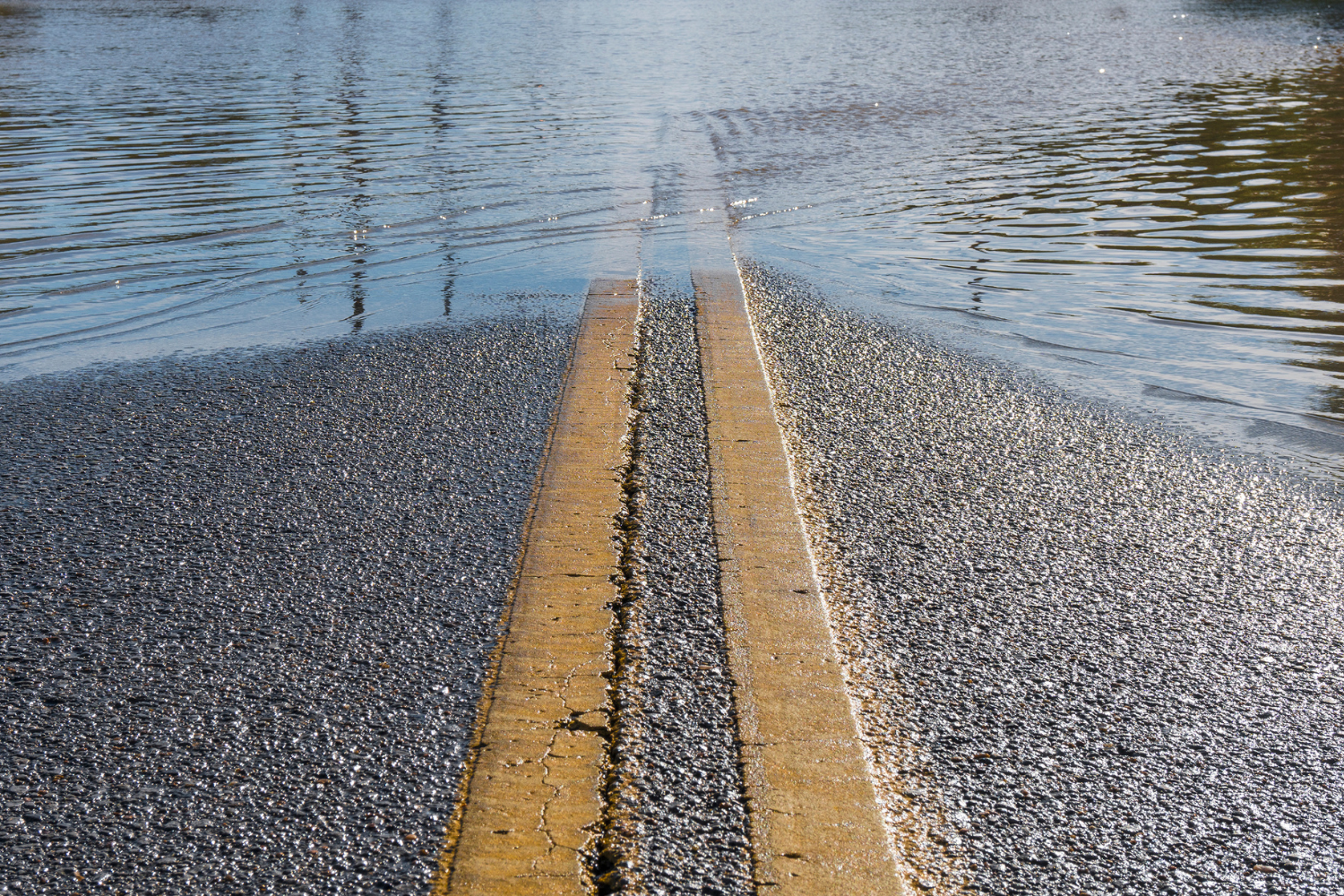
Flooding Can Happen Outside FEMA High-Risk Zones
One of the biggest misunderstandings among buyers is assuming homes outside AE or VE zones cannot flood.
Local governments throughout Tampa Bay repeatedly emphasize that flooding can occur anywhere it rains.
Causes may include:
Intense summer rainfall
Stormwater drainage limitations
Tidal flooding
Hurricane rainfall
Nearby canals, ponds, or creeks overflowing
This is why many insurance professionals still recommend flood coverage even in Zone X.
How to Check a Property’s Flood Zone
Before purchasing a home in Tampa Bay, buyers should review:
FEMA Flood Insurance Rate Maps (FIRMs)
County flood map tools
Elevation certificates if available
Flood insurance quotes before contract deadlines
Prior flood claims or seller disclosures
Evacuation zone information
Local county resources include:
Questions Tampa Bay Buyers Should Ask Before Purchasing
Before buying a home in a Tampa Bay flood zone, ask:
Has the property ever flooded?
Is flood insurance currently required?
What is the current annual flood premium?
Is the home elevated above Base Flood Elevation?
Are there past flood insurance claims?
Has the property received storm damage repairs?
Will future renovations trigger elevation requirements?
These questions matter just as much as HOA fees, roof age, or property taxes.
Flood zones are a major part of owning real estate in Tampa Bay, but they should be understood in context rather than feared automatically.
A home in Zone AE is not necessarily a bad investment.
A home in Zone X is not automatically risk-free.
The key is understanding:
The actual flood exposure
Insurance costs
Elevation characteristics
Long-term ownership implications
For buyers relocating to the Tampa Bay area, flood due diligence should be part of every purchase decision, especially in coastal and low-lying communities throughout Pinellas County, Hillsborough County, and surrounding Gulf Coast markets.
Reliable information, insurance planning, and careful property evaluation matter far more than simply focusing on the letter designation alone.
Frequently Asked Questions About Tampa Bay Flood Zones
-
Zone X is generally considered the lowest-risk FEMA flood zone. However, no area is completely free from flood risk, and flooding can still occur due to heavy rainfall, drainage issues, or extreme weather events.
-
Zone X indicates a low-to-moderate flood risk area. Flood insurance is typically not required by lenders in Zone X, but many homeowners still choose to carry coverage for added protection.
-
An AE flood zone is a Special Flood Hazard Area with a 1% annual chance of flooding. These zones have established Base Flood Elevations (BFEs) and usually require flood insurance when a home is financed with a federally backed mortgage.
-
A VE flood zone is a high-risk coastal flood zone subject to storm surge and wave action during severe storms. VE zones are common along Florida's Gulf Coast and often have stricter building requirements.
-
Flood insurance requirements depend on the property's flood zone and mortgage type. Homes located in high-risk FEMA flood zones such as AE or VE generally require flood insurance when financed with a federally backed loan.
-
Yes. FEMA flood maps identify areas of varying risk, but flooding can occur anywhere. Many flood insurance claims nationwide come from properties located outside high-risk flood zones.
-
You can check FEMA Flood Insurance Rate Maps, county flood map resources, or work with a real estate professional who can help identify a property's flood zone before you purchase.
-
Flood zones are used to assess flood risk and insurance requirements. Evacuation zones are designed for hurricane preparedness and storm surge safety. A property may be located in a low-risk flood zone but still fall within a hurricane evacuation zone.
-
Most waterfront properties in Tampa Bay are located within FEMA-designated flood zones, but the specific flood zone classification varies depending on elevation, location, and exposure to coastal flooding.
-
A flood zone designation should not automatically eliminate a property from consideration. Buyers should evaluate flood insurance costs, elevation, flood history, evacuation requirements, and overall ownership costs before making a decision.
Still have questions or need help finding resources? We can help.