

Water vs. Wind: Homeowners Insurance in Pinellas County
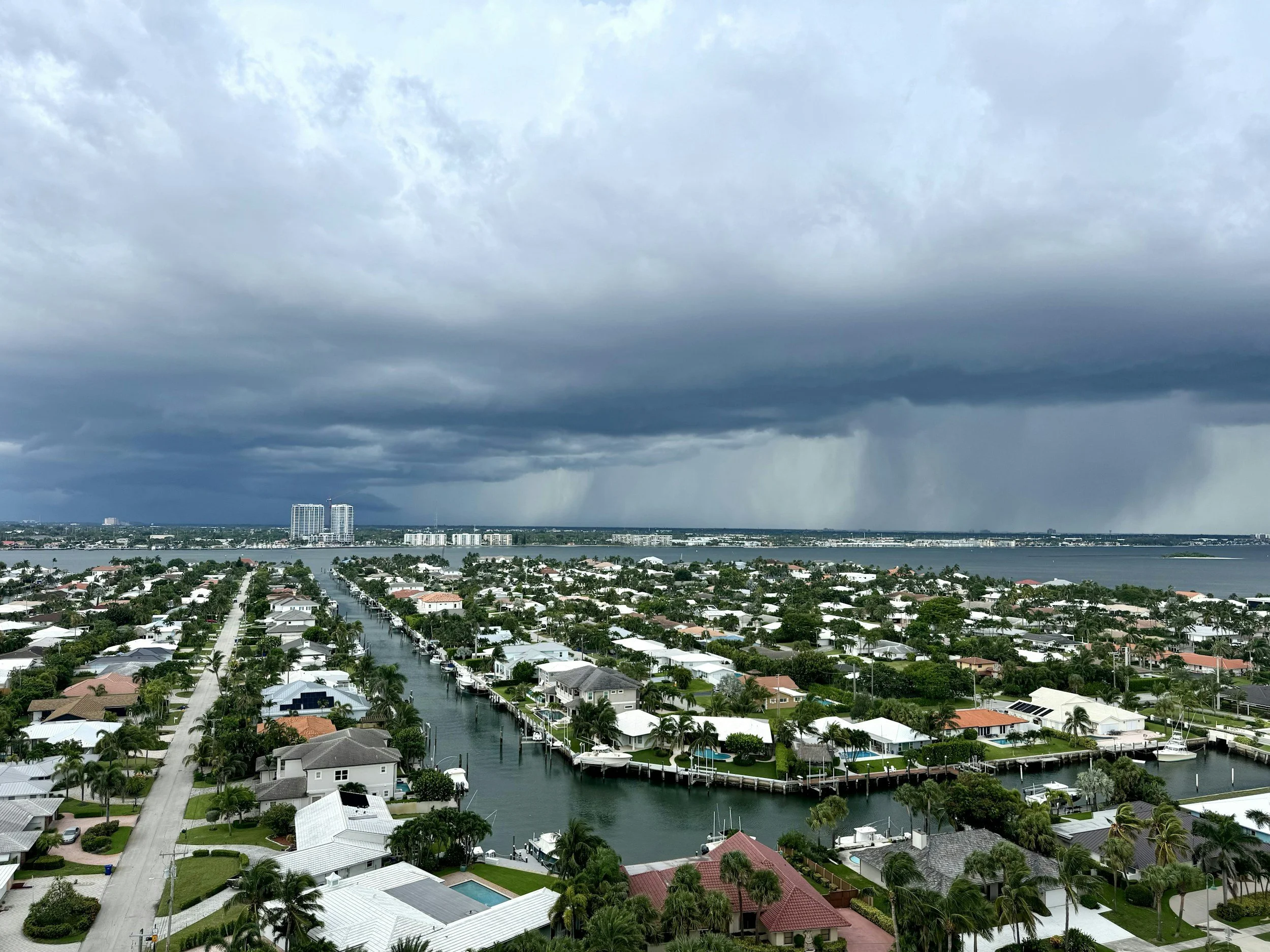
How Water and Weather Affect Your Homeowners Insurance in Pinellas County
Living on the Gulf Coast means dealing with two separate risks that often get lumped together: wind and water. Understanding the difference matters, because your homeowners insurance policy treats them very differently. If you own a home in Pinellas County or you're shopping for one, here's what you need to know.
Homeowners Insurance Covers Wind. It Does Not Cover Flood.
A standard homeowners policy typically covers damage from wind, including hurricanes and tropical storms, along with fire, theft, and certain types of water damage that happen suddenly (a burst pipe, for example).
What it does not cover is flood damage. Storm surge, rising water, and heavy rain that seeps in from outside the home are excluded from nearly every standard homeowners policy. Flood coverage has to be purchased separately, either through the National Flood Insurance Program (NFIP) or a private flood insurer.
This distinction catches a lot of homeowners off guard after a storm. Wind tears the roof off, and insurance pays. Water pushes in from the bay, and without a separate flood policy, the homeowner is on their own.
Why This Matters More in Pinellas County
Pinellas County sits on a peninsula surrounded by the Gulf of Mexico and Tampa Bay, with a mix of coastal, inland, and low-lying areas. Flood risk isn't limited to homes directly on the water. Heavy rain events and storm surge can affect properties well inland, especially in older neighborhoods with aging drainage systems.
Flood zone designations (shown on FEMA flood maps) influence whether flood insurance is required by a mortgage lender, but they don't tell the whole story. Homes outside high-risk zones still flood. It happens every hurricane season somewhere in the county.
Named Storm Deductibles
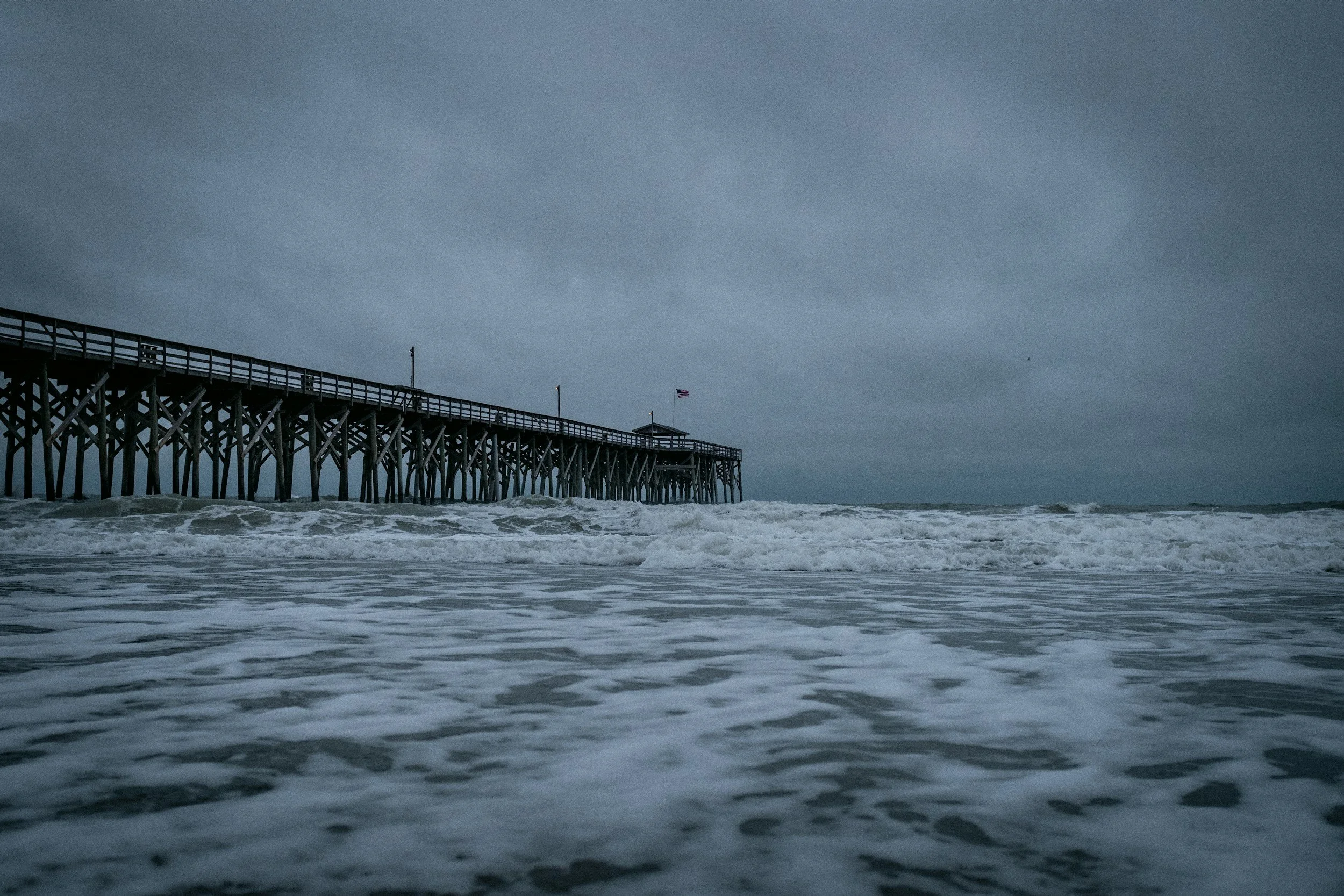
Most Florida homeowners policies include a separate, higher deductible that applies specifically to hurricanes or named storms, often calculated as a percentage of the home's insured value rather than a flat dollar amount. This is different from your regular deductible for non-storm claims like a kitchen fire or a fallen tree.
Knowing your named storm deductible before hurricane season, not after a claim, helps you budget appropriately and avoid surprises.
Sudden Water Damage vs. Gradual Water Damage
Insurers draw a hard line between water damage that happens suddenly and damage that builds up over time.
Generally covered:
A pipe that bursts without warning
A washing machine hose that fails and floods the laundry room
Water damage from a covered peril, like wind-driven rain through a storm-damaged roof
Generally not covered:
Long-term leaks from unmaintained plumbing
Mold that develops from a leak the homeowner knew about and didn't repair
Damage from deferred maintenance, like a worn roof that eventually lets water in
Insurers expect homeowners to maintain their property. Claims tied to neglect are a common reason for denial.

Wind Mitigation Can Lower Your Premium
Florida law requires insurers to offer discounts for wind mitigation features that reduce hurricane damage risk, such as impact-resistant windows, a reinforced roof-to-wall connection, or a roof that meets current building code. A wind mitigation inspection documents these features and is often worth the cost, since the resulting discount can be significant over the life of the policy.
If you're buying a home, ask whether a wind mitigation inspection has been done recently. If you're selling, having a current one on hand can be a useful selling point for buyers thinking about ongoing insurance costs.
Practical Steps for Homeowners
Read your policy's exclusions section, not just the coverage summary
Ask your agent whether flood insurance makes sense for your property, regardless of flood zone
Know your named storm deductible in dollar terms, not just as a percentage
Keep up with routine maintenance on your roof, plumbing, and drainage, and keep records
Get a wind mitigation inspection if you haven't had one recently
Photograph and document your home's condition before hurricane season each year
The Bottom Line
Wind and water are treated as separate risks by insurers, and Pinellas County homeowners face meaningful exposure to both. A homeowners policy alone is rarely enough protection on the Gulf Coast. Understanding what your policy actually covers, and filling the gaps with flood insurance where appropriate, is one of the most important things a Florida homeowner can do.
This information is educational and not a substitute for advice from a licensed insurance agent. Coverage details, exclusions, and requirements vary by policy and insurer, so review your specific policy or speak with your agent to understand your coverage.